null
Toys, beauty, lifestyle, retail: behind brands such as Tonies, Schleich, NOBILIS and BAHAMA stood owner decisions we have advised on, as a sale, a partnership or an acquisition. Consumer goods M&A has become selective. All the more reason to tell the brand's story properly and to approach the right buyers.
Selective market, clear winners
Buyers in consumer goods have become more discerning. In demand are brands with pricing power, loyal customers and a channel mix that does not hinge on a single retailer or marketplace. Those who meet these criteria encounter a broad buyer landscape: strategic brand groups and retail houses that complement categories, private equity investors focused on brand building and internationalisation, and purchasing cooperatives and family offices that offer succession solutions with a long horizon.
Often the best solution is not a full sale. At NOBILIS we structured an equal partnership with Gebr. Heinemann in which the founder remains CEO, and subsequently advised on the acquisition of TMC Nordic. At BAHAMA it was a sale to a private equity investor specialising in succession; at Erstling, joining the purchasing cooperative Soennecken. Which structure fits depends on your objectives, not on the buyer's standard model.
Branded products and toys
Manufacturers with their own brand, their own development and often their own production, from toys to outdoor and home. Buyers are brand groups and growth-oriented private equity investors that finance internationalisation and channel expansion. Brand awareness, repeat purchase rate and gross margin drive the price.
Beauty, lifestyle and distribution
Brand building, distribution and licensing for fragrance, cosmetics and lifestyle products. Buyers are retail and distribution groups with an international network, as well as brand owners seeking to secure distribution channels. Partnerships and minority stakes are more common here than full sales.
Specialist retail, mail order and packaging
Specialist mail-order companies, specialist retail and wholesale, packaging and supply businesses for the consumer goods industry. Buyers are purchasing cooperatives and retail co-operatives, strategic consolidators and Mittelstand holdings. Customer loyalty, range depth and logistics capability count for more than the brand.
What buyers pay for in this sector
Consumer goods companies are valued on sustainable EBITDA, and strong brands also on revenue. Three factors determine the multiple, and all three can be evidenced before the sale.
Brand strength and margin
Pricing power, gross margin, repeat purchase rate and brand awareness in the core markets. A high share of in-house production, as at BAHAMA, is a quality argument when it goes hand in hand with margin and delivery capability.
Channel mix and dependencies
Distribution across specialist retail, own channels, marketplaces and export. Concentration on one retailer or platform depresses the multiple; direct sales with own customer data raise it. International presence widens the circle of buyers.
Supply chain and working capital
Sourcing, seasonality, inventory coverage and capital tied up. Buyers examine how robust the supply chain is and how much capital is locked in current assets. Clean working capital management pays off directly in the purchase price mechanism.
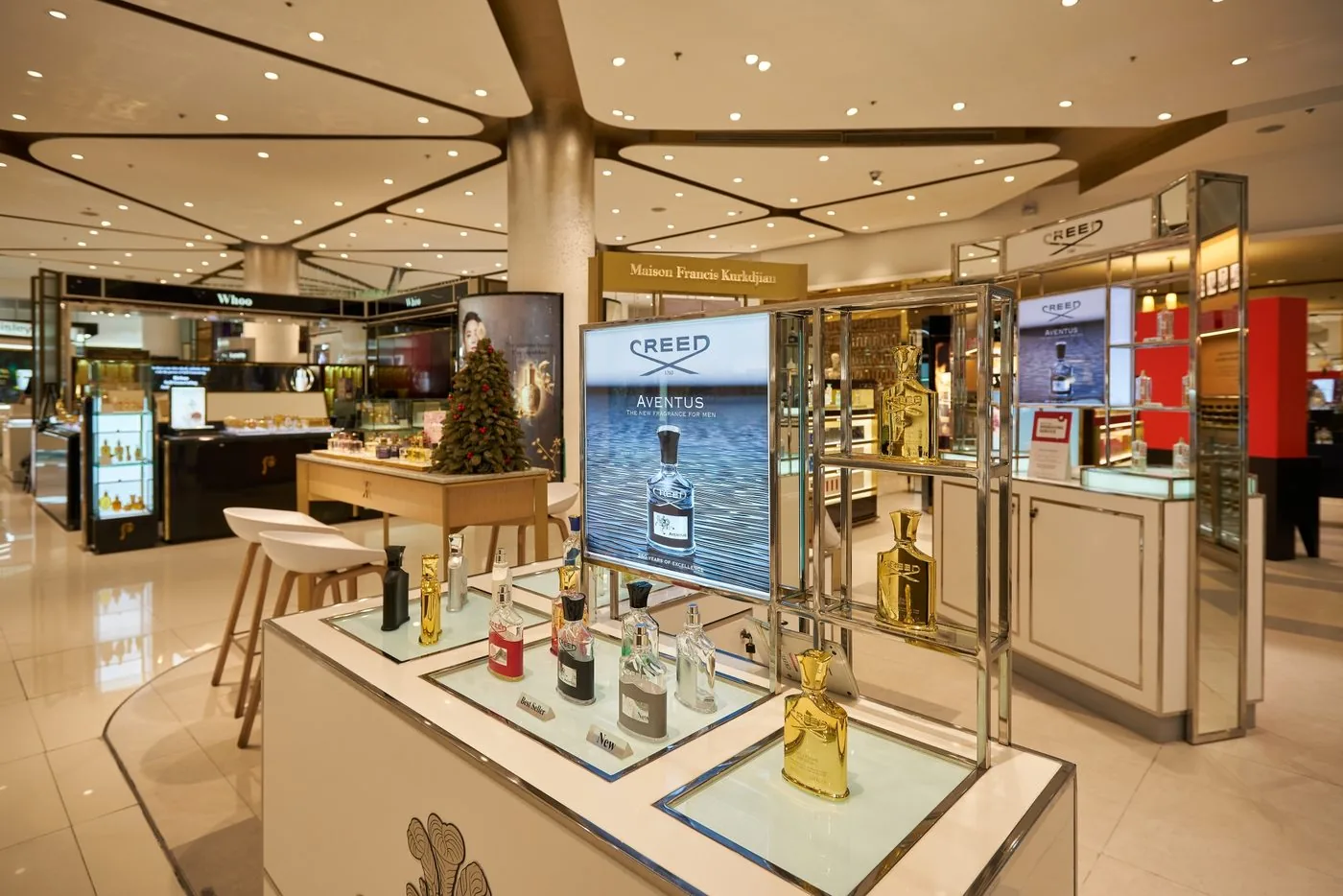
NOBILIS Group → Partnership with Gebr. Heinemann
The NOBILIS Group is a brand builder and distributor for fragrance and beauty. Instead of a full sale, we structured a partnership: following completion of the transaction, founder Udo Heuser and the Hamburg trading house Gebr. Heinemann hold equal stakes, and the founder continues to lead the company as CEO. The growth strategy and internationalisation were thus secured without operational disruption for employees, customers and brand partners. In 2024 we subsequently advised NOBILIS on the acquisition of TMC Nordic.
Read the full announcement →From the toy icon to the leading beauty distributor
Sale, secondary, partnership, acquisition, target search: in consumer goods we have worked on both the sell side and the buy side.
NOBILIS → Gebr. Heinemann
Beauty and fragrance, Wiesbaden / Hamburg
NOBILIS → TMC Nordic
Buy-side, Scandinavia
BAHAMA → BPE
Large umbrellas, Reichshof, exports to 50 countries
Erstling → Soennecken
School supplies and mail order, Berlin
Tonies
Children's audio system, Düsseldorf
Schleich
Toys, Schwäbisch Gmünd
Melitta
Buy-side, consumer goods
Fernholz
Packaging
Sector knowledge first hand
Four members of our Industry Advisory Board have run or helped build consumer brands, retail companies and suppliers. They support us in assessing brand and channel and in conversations with buyers.
Paul Kraut
Former shareholder of Tonies® and Schleich® · Angel investor in various start-ups
Jan Hinrichs
Angel Investor, Former CEO Spiele Max AG and Managing Director Erstling GmbH
Dr. Uwe Tillmann
Former CEO VION Food Group N.V. · Former Chair of the Advisory Board, Melitta Group
Dr. Helen Fürst
Managing Partner Fürst Group · Former President of the German Association of the Plastics-Converting Industry
Questions on selling a brand manufacturer or retailer
How does the brand feed into the valuation?
Not as a separate line item, but through what it achieves: pricing power, margin, repeat purchase rate and growth. Strong brands command higher multiples on EBITDA, and in individual cases valuation is based on revenue. Verifiable brand metrics from retail and own channels are therefore part of the sale documentation. Our fixed-price company valuation provides an initial assessment.
Do I have to sell the company outright?
No. Partnerships with strategic partners, majority sales with reinvestment or the entry of a minority shareholder are widespread in consumer goods, particularly when the founder wants to continue shaping the brand. NOBILIS and Gebr. Heinemann are an example of this. The structure follows your objectives, not the other way round.
Who buys consumer goods companies?
Brand groups and retail houses that complement categories or distribution channels; private equity investors that finance brand building and internationalisation; purchasing cooperatives and retail co-operatives for retail businesses; and family offices for succession solutions. Buyers from abroad, for instance from Scandinavia, are also active in the market.
How do I handle dependence on one retailer or marketplace?
Transparently. Buyers know the reality of retail and assess the trend rather than the dependence as such: growing own channels, export shares and customer data reduce the risk. Those who invest in diversification for one to two years before the sale change the multiple noticeably.
How long does the sale take?
From preparation to signing, we expect six to nine months. For seasonal businesses we plan so that due diligence and negotiations do not fall in the peak season. Confidentiality towards trading partners, employees and competitors is maintained until signing.
Do you run a brand company and are thinking about the next step?
The first conversation is non-binding and, of course, confidential.